We are Campaign for Vermont Prosperity

Campaign for Vermont is a nonprofit, nonpartisan advocacy organization dedicated to the vision of a more prosperous Vermont. Our mission is to advocate for public policy changes by reconnecting middle-class Vermonters to their government. Thousands of Vermonters have signed up to be a part of one of the largest grassroots organizations in Vermont.  If you believe in Vermont, join us.


Vision for the Future

♦  Vermont public policy that fosters prosperity for ALL Vermonters from every corner of the state and all walks of life.

♦  21st Century economic policies that lead to the creation of family-sustaining jobs, with environmental sustainability, social responsibility, and a desirable quality of life.

♦  Political discourse that is data-driven and puts progress ahead of partisanship.

♦  State and local governments that are transparent and accountable, promoting a political atmosphere, and an administrative and communications infrastructure that promotes and encourages an engaged and active electorate. 
News

October Newsletter: Is a Second Home Tax Viable?

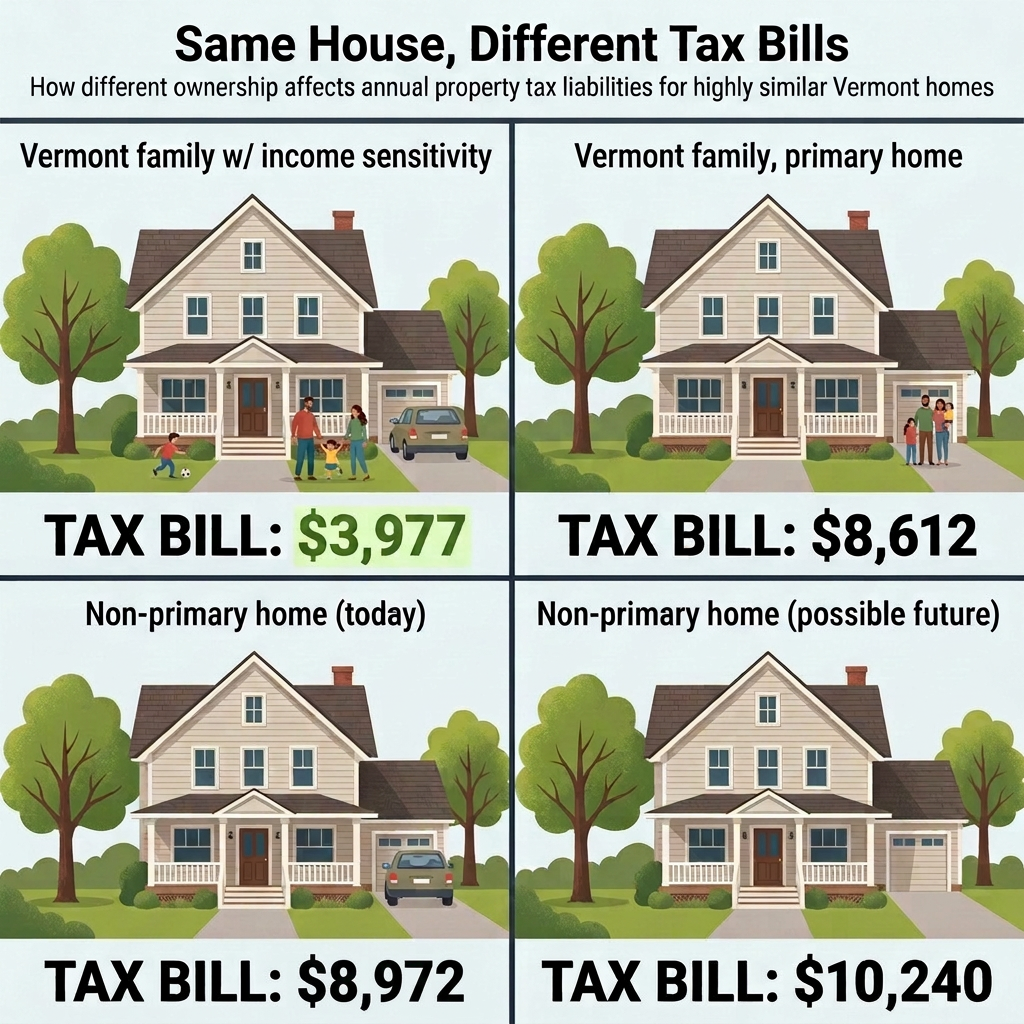
Most Vermonters support a second home tax. In a recent Vermont Public Poll, 57% said the state should impose a new tax on second homes. Twenty-eight percent disagreed, and 15% weren't sure. (A UNH poll found 78% support, but its question was worded more broadly.)

The poll didn't define "second home" or ask respondents whether they own one. Many probably pictured an empty slopeside condo owned by a family from Connecticut, and much of the public debate has pointed that way. But the reality of trying to define a "second home" is more complex. So let's test our assumptions.

‘Virtual’ Mergers Will Likely Produce Better Results

Here in Vermont, we value local communities and local connections. Small is valuable, and rural is an asset (not a liability). Yet in education policy, many Vermonters have embraced the assumption that bigger districts are inherently better. The evidence suggests otherwise: Vermont can pursue savings and stronger student outcomes without forcing communities into larger districts and without erasing their local identity.

The data shows that bigger schools and bigger districts do not inherently produce better outcomes for either students or taxpayers. Let me explain.

Join Us

30 people have signed up