

S. 122, passed by the Vermont House and Senate in 2025, focuses on enhancing economic and workforce development through targeted funding, task forces, and new commissions.
The Details:
-
Support for Small Businesses (Sec. 1)
- Allocates $200,000 to the Vermont Professionals of Color Network to provide workforce and business development services, including technical assistance, education, and networking for BIPOC small business owners.
- Allocates $150,000 to the Vermont Small Business Development Center for business advising and educational workshops to support entrepreneurs and small business owners post-pandemic.
-
International Trade Division (Sec. 2)
- Provides $150,000 to the International Business Office to continue its initiatives, likely aimed at promoting Vermont’s global trade activities.
- Provides $150,000 to the International Business Office to continue its initiatives, likely aimed at promoting Vermont’s global trade activities.
-
Convention Center and Performance Venue Task Force (Sec. 3)
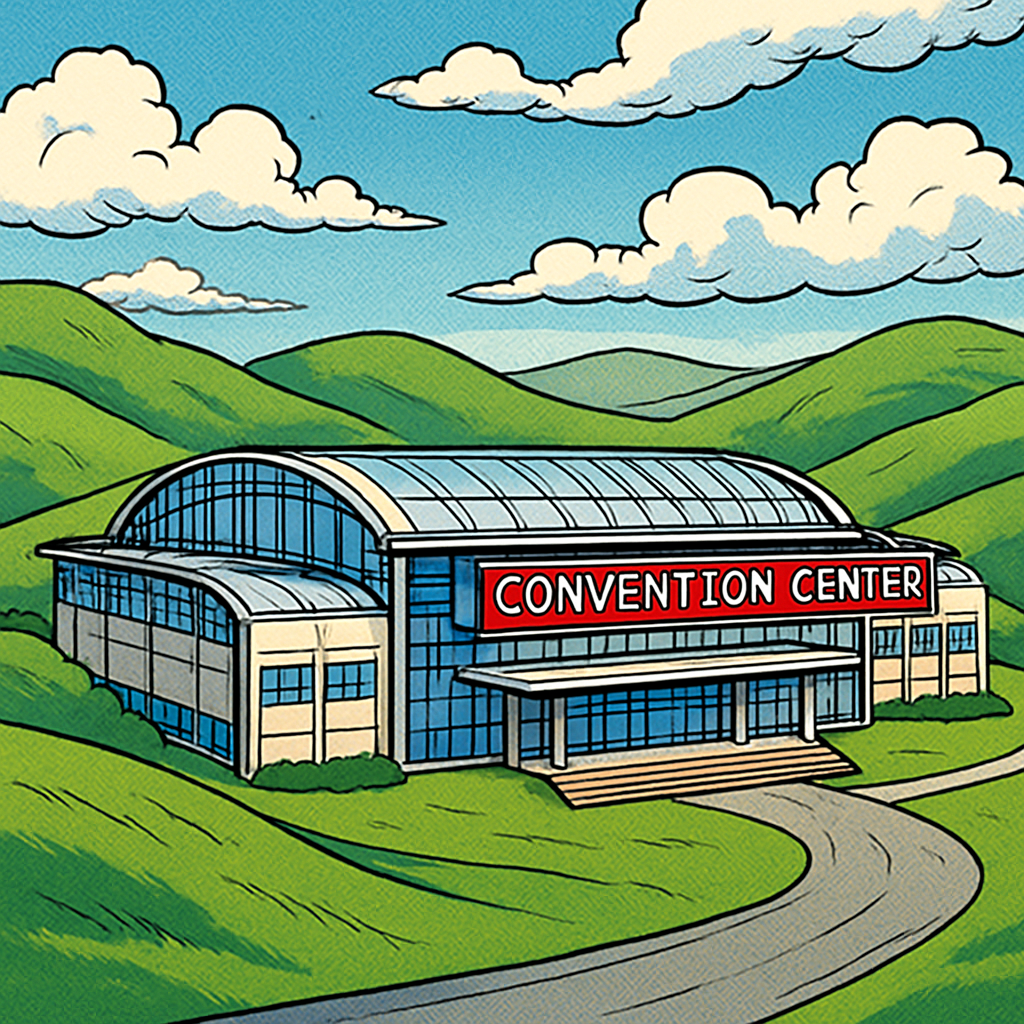
- Creates a task force to study the feasibility of constructing a convention center and performance venue in Vermont.
- The task force, comprising legislative and economic development leaders, will assess financial support options, infrastructure needs, management models, and economic impacts.
- Reports are due by November 1, 2025 (interim) and November 1, 2026 (final), with the task force ceasing to exist on December 1, 2026.
-
Vermont-Ireland Trade Commission (Secs. 4-6)
- Establishes a commission within the State Treasurer’s office to promote bilateral trade, investment, and academic exchanges between Vermont and Ireland.
- Composed of seven members appointed by the Governor, House, Senate, and State Treasurer, with staggered terms and fundraising authority.
- Requires annual reports starting one year after its first meeting, with the commission set to dissolve on June 30, 2030.
-
Workforce Education and Employment Training (Sec. 7)
- Amends 10 V.S.A. § 540 to designate the Commissioner of Labor and the Executive Director of the Office of Workforce Strategy and Development as co-leaders of Vermont’s workforce system.
- Outlines duties including coordination of workforce programs, data collection, strategic planning, and biennial reporting to evaluate system performance and address labor force needs.
- Emphasizes alignment with federal Workforce Innovation and Opportunity Act (WIOA) requirements and collaboration across public and private sectors.
-
Effective Dates (Sec. 8)
- Sec. 3 (Task Force) and Sec. 8 take effect upon passage.
- Secs. 1, 2, and 7 take effect on July 1, 2025.
- Secs. 4-6 (Vermont-Ireland Trade Commission) take effect on July 1, 2026.
The Good:
|
The Bad:
|
Analysis:
This legislation does not launch any grand new initiatives (although the study of a new convention center could be interesting). There is little here that will spark long term economic growth. That being said there is a fair amount of good that this bill does in terms of economic equity and exploring various unique ways of growing the state's economy.
The larger economic issues this legislative session relate to housing, which has been the major constraint on workforce for several years now. We also reviewed that bill, S.127, which passed the legislature year.
Current Status:
The bill has been passed by both the House and the Senate and was signed by the Governor June 12, 2025.
News coverage on S.122 |
Read the Bill |
More bill summaries |
Last updated: 6/21/2025
DISCLAIMER: Generative AI used to assist in the production of this report.