


This week, Vermont's legislative focus was largely on housing, education, and health care. The Senate Economic Development Committee advanced a task force proposal to inventory business resources and tackle gaps in access to capital, evolving from last week's broader housing finance pilot programs toward a comprehensive and inclusive economic ecosystem. The task force would include stakeholders like the Vermont Futures Project, the Vermont Small Business Development Center, and Professionals of Color, signaling an emerging pattern of nonpartisan collaboration to address rural-urban economic divides.
| This is a truncated version of our weekly legislative update. To receive the full version, please sign up for our legislative updates (it's free!). |
On the education front, the House and Senate both heard from the Association of Educational Service Agencies', building on prior discussions around the Comprehensive Education Service Agency (CESA) model that was recommended by the Act 73 Task Force. The discussion highlighted blended funding models (state baseline plus fee-for-service) that could save 20-66% on special education, HR, IT, and other services in rural districts. Vehicles for education reform are advancing in both chambers, but the Senate's discussions seems more mature at this point, as they are starting to reach consensus around the use of CESAs sustain small schools without widespread mandatory mergers. A central component to S.220, however, is a cap on education spending that would apply until the new foundation formula in Act 73 goes into effect. There is some debate over how that cap should be applied and whether or not it should be on a per-student basis, be based on the prior year's budget, or some combination of the two. At the same time, schools may finally be getting the message about spending. The tax department originally estimated a 5% increase in spending for FY2027 (this is what the 12% property tax increase was based on), however actual budgets that have come back so far are actually around a 1.8% increase. While this only represents a third of all the districts in the state, it is still a promising development.
Housing policy gained bipartisan momentum in the House this week, where H.775 introduced rural-specific tools like a three-year pilot for tax stabilization on small developments (up to 300 units in towns under 5,000 in population) and an off-site modular home accelerator program that would leverage bulk procurement and drive cost per square foot down (as a reminder, state-sponsored projects cost over $500 per sq/ft to construct). A new program in the bill would also expand the State Treasurer's credit discretionary lending capacity to 12.5% of cash balances for housing loans, with interest diverted to a special housing fund.
The Vermont Housing Finance Agency (VHFA) is also asking for an extension to their down payment assistance program, which they tout as a proactive wealth-building tool that has created $137 million in equity for 2,100+ households since 2014. VHFA's call for a five-year tax credit extension (up to $350k annually) seemed to meet with legislative support. On the other side of the coin, when it comes to leveraging wealth, there has been a notable decline in new landowners entering the market. This lack of investment caught the attention of the Chair Marc Mihaly, who has introduced a bill (H.772) that would alleviate some of the tension between landlords and tenants. He described the status quo for landlord-tenant law as suboptimal for both sides: rising rents and evictions push people toward homelessness, while landlords feel the current framework discourages investment and expansion. The bill aims to break this tension by given both sides something they want. Tenants would be granted protection from no-cause evictions, but landlords would get a faster, simpler, and hopefully cheaper, eviction process for problematic tenants.
This week's discussions around H.585 marked a significant evolution in Vermont's health insurance reform debates, shifting from prior weeks' emphasis on broad affordability to more granular mechanisms for market stabilization and consumer protections. The bill proposes limited age-based premium rating starting in 2028, capping deviations at 5% above or below the broader community rate to encourage younger, healthier individuals into the Qualified Health Plan (QHP) market without destabilizing the risk pool. This was pitched as a measured pivot amid the impending end of enhanced federal subsidies, which could otherwise drive up costs for young and healthy individuals. The fear is that as premiums increase for this age cohort, they may choose to drop out of the market. If they do so, that impacts the risk pool which will drive up the cost for everyone else. By dropping the rates (slightly) for younger individuals, legislators hope to entice them to stay.
Another new concept introduced by the bill is site-neutral billing, which directs the Green Mountain Care Board (GMCB) to set unified reference-based prices for safe outpatient services across hospital and non-hospital settings, drawing on Medicare benchmarks to curb facility fees and promote competition. Independent practitioners, like physical therapists from small clinics, hailed this as vital for preserving rural access and countering hospital hegemony over patient care, arguing it could lower administrative burdens and support "pay parity" without harming acute care; however, hospital advocates raised solvency concerns, warning against blanket pricing that ignores high-acuity (hospital) infrastructure costs. These tensions will likely continue to play out for the remainder of the session as hospitals grapple with high internal costs and independent providers struggle with low reimbursement rates.
Overall, there are encouraging developments in a number of places where innovative new policies are pilot projects are being introduced. Of course, we promote data-informed policymaking and this is evident in many of these discussions. The one place it is notably absent is in the House Education Committee, where there is still a strong assumption that consolidation must generate savings for taxpayers. We know the evidence suggests otherwise and have been working to get through to this Committee. Their counterparts in the Senate are ahead of the curve on this one.
On behalf of Vermonters,
|
|
||
|

| Sign Up for Legislative Updates |
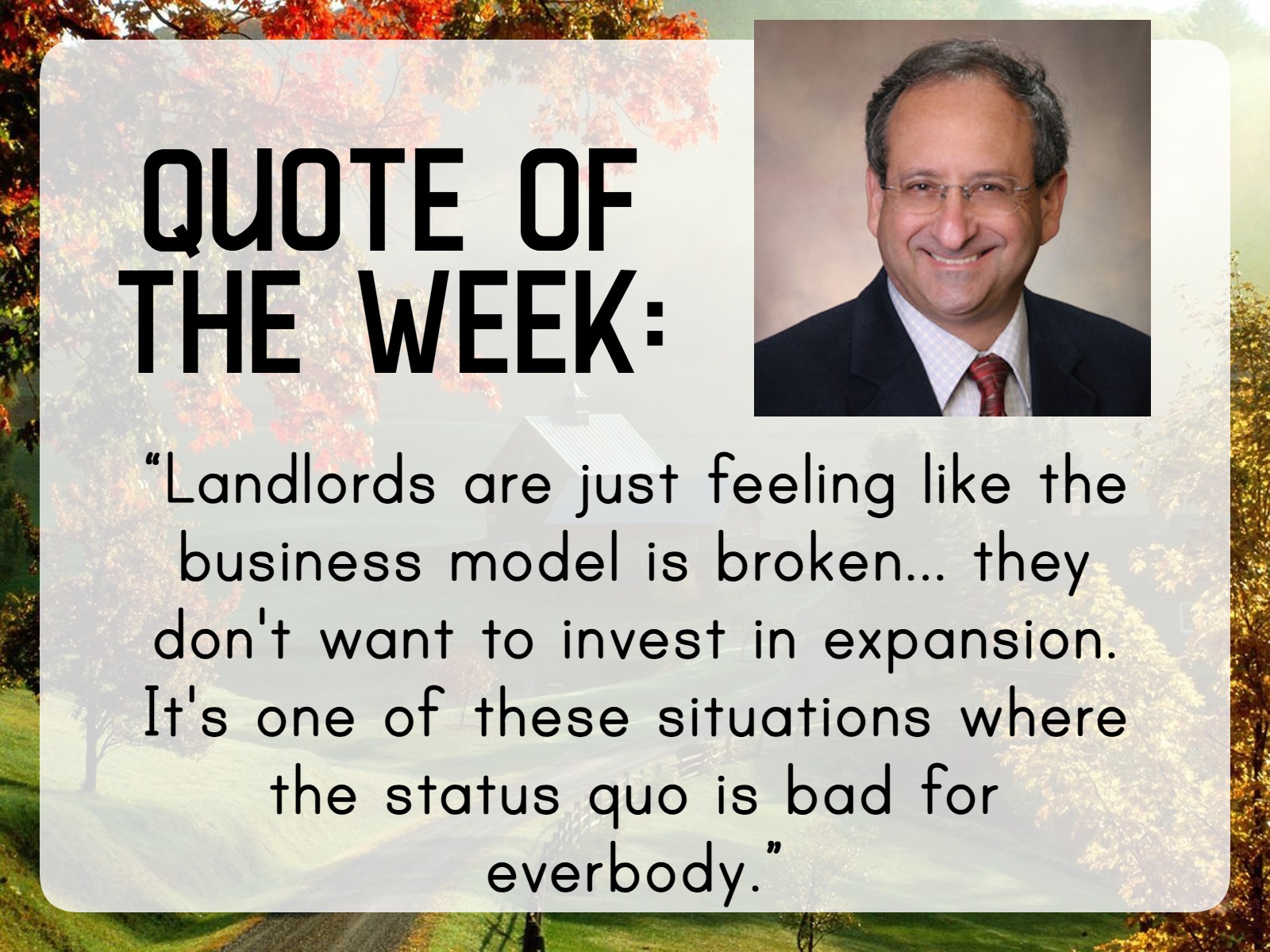
Quote of the Week:“Landlords are just feeling like the business model is broken... they don't want to invest in expansion. It's one of these situations where the status quo is bad for everbody.” Comments related to current landlord/tenant law and rising rents due to lack of housing available.
|
|

| Rep. Marc Mihaly |
| Chair, House General & Housing |
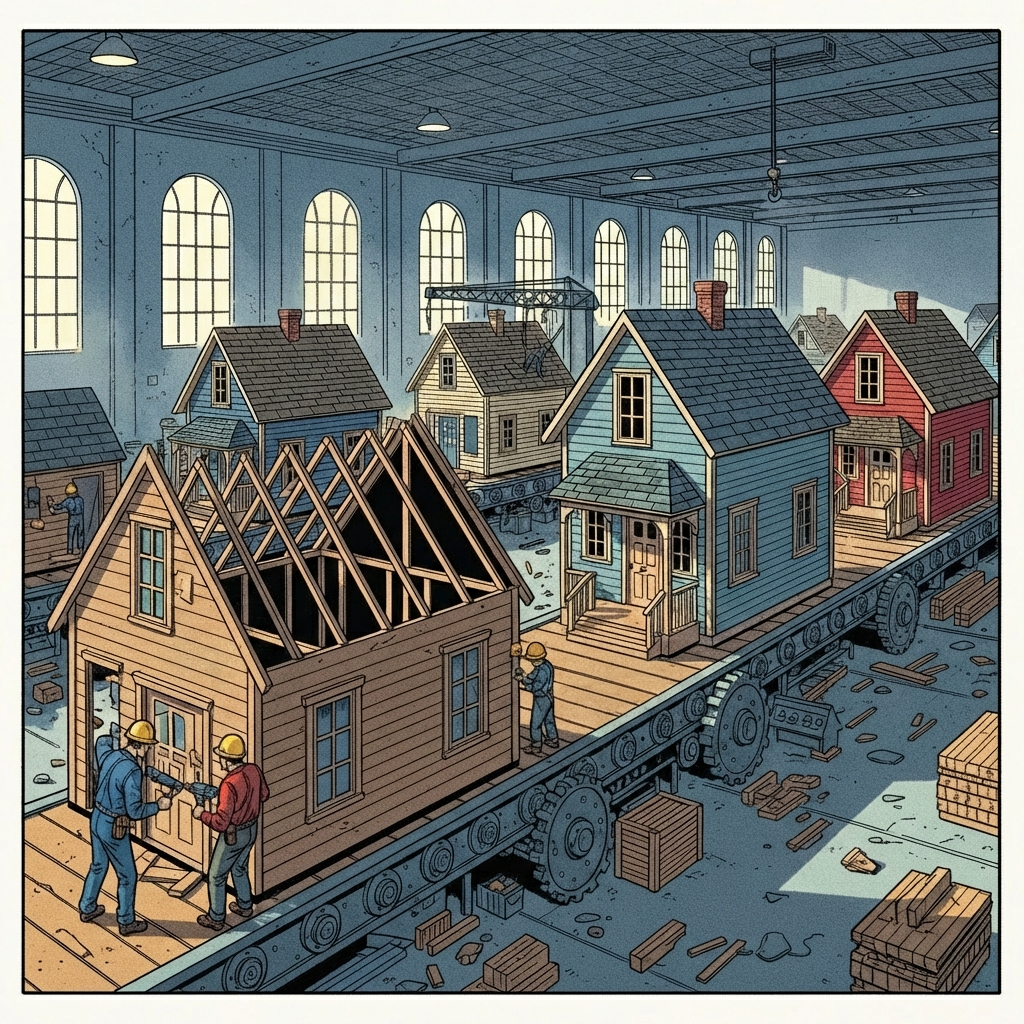
NEW: New Tools for Housing Production (H.775)
H.775 is an innovative housing bill designed to stimulate affordable development in rural Vermont through financial incentives, pilot programs, and administrative reforms.
Senate Government Operations Testimony
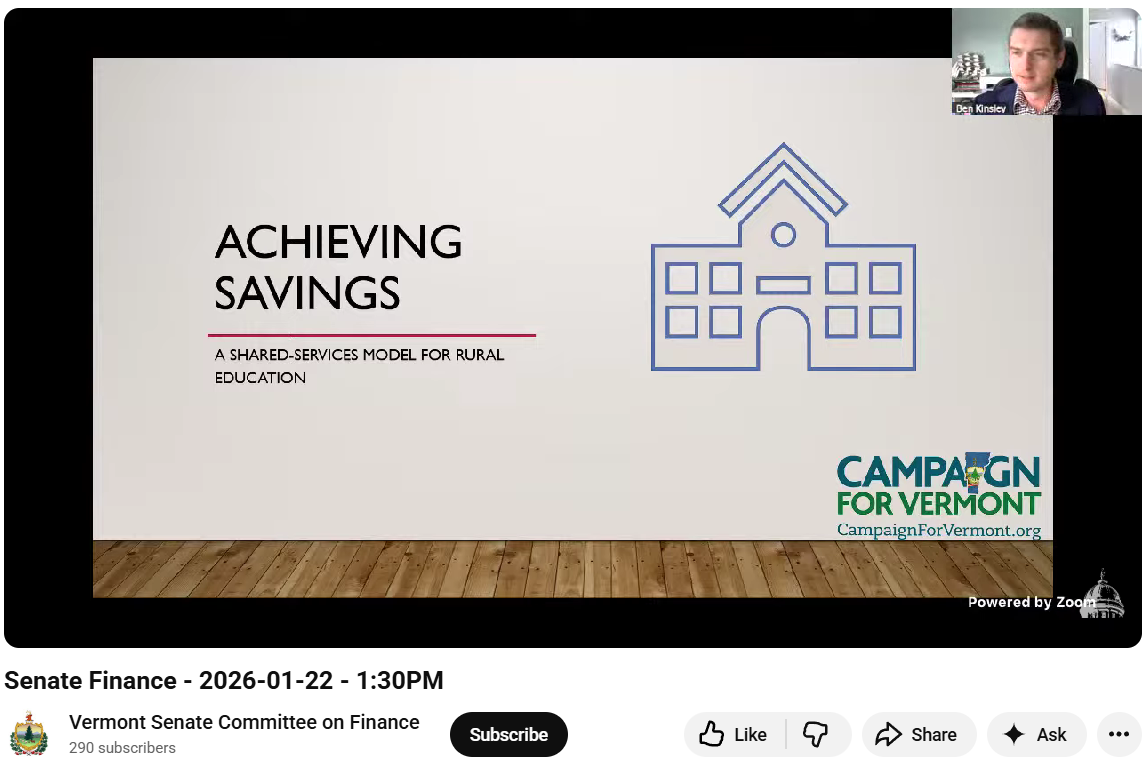
This week we testified in the Senate Finance Committee about our report finding $300 million in possible savings through shared services in Vermont schools.
| To continue reading, please sign up for our legislative updates (it's free!). |