


The legislative session is off to a fast-paced start. Maps seem to be a key theme: from the Governor's threat to veto the state budget unless legislators move forward with his mega-district school consolidation plan to the statewide zoning plan set to replace the Act 250 framework all come down to drawing lines on a map. We have been keeping up with all of it in our legislative updates. If you haven't subscribed already, you should!
Of course, we are rolling up our sleaves and getting into the hard stuff too: legislative committee work. This week we are testifying in the powerful Senate Finance Committee about our November report on education cost-savings through shared services. If you missed that one, we estimate that the state can save over $300 million by moving a litany of services currently provided at the school district level up the regional Education Service Agency (ESA) centered around our Career and Technical Education Centers. This model gains all the efficiencies of consolidation without the headaches or the need to buy out and level-up staffing contracts.
We sent a letter to legislators a few weeks ago highlighting the benefits of this approach and encouraging them to challenge the assumptions about consolidation that doomed Act 46. We urged them to make data-informed decisions in order to avoid the risk of losing time, energy, and political capital prescribing the wrong fix for our ailing education system.
There are some interesting new pieces of legislation that have been introduced already and seem to have legs. A new government accountability framework, for example, would require legislative check-backs on whether or not previous legislation is meeting its stated goals. This is an attractive proposition for those (like us) who what to see a more efficient and effective state government. The State Treasurer introduced the concept of a prescription discount card program that legislators began taking testimony on last week. Senate leadership also introduced the concept of freezing school district spending for two years while lawmakers work on education reform. Naturally, the education establishment didn't like that idea...
On behalf of Vermonters,
Pat McDonald
Campaign for Vermont

|
|
It's time to move past three tired excuses about health care.Our friends at Vermont Health Care 911 wrote a killer newsletter last week about the trends that are negatively impacting our health care system: poor oversight, lax accountability, price gouging and asset hoarding, and more. It was so good, that we wanted to share their insights with you in the form of a guest post on our newsfeed! |
|
Legislative Operations and Government Accountability (H.67)This bill creates the Joint Government Oversight and Accountability Committee, a new bipartisan legislative body tasked with systematizing government accountability efforts and examining issues of significant public concern affecting Vermont state government performance. |
 |
|
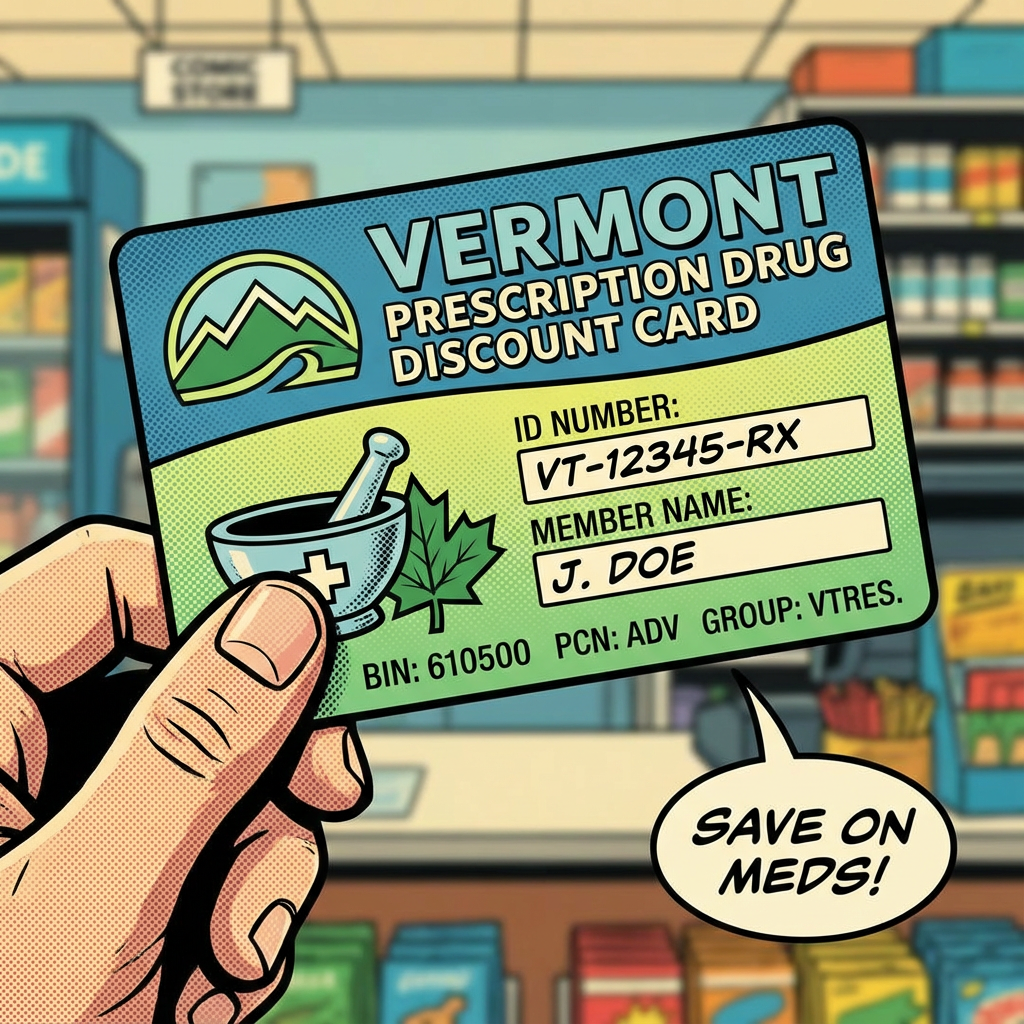 |
The Vermont Prescription Drug Discount Card Program (H.577)H.577 would create a statewide Vermont Prescription Drug Discount Card Program, administered by the State Treasurer, to pool Vermont’s prescription drug purchasing power with other states. |
|
ICYMI: Finding Savings Through Shared Services in VT SchoolsAcross the country, states use Education Service Agencies (ESAs) as regional delivery vehicles so that small and mid-sized districts can pool demand and centralizing expensive, low-frequency services. This lowers per-student costs for participating districts and expands program offerings without every district building its own duplicative capacity. |
 |
|
 |
Our 2026 Research PrioritiesEvery year, Campaign for Vermont sets a research agenda for when the legislature is out of session. These are topics that we want to focus on in the spirit of bringing forward new information and recommendations for our state's policymakers. This work might result in new research papers, new position statements, new legislation, or just furthering our own understanding of an issue. |

News Worth Reading:
Our top picks of local must-read news this month.
- Vermont ranks last in economic momentum as lawmakers tackle affordability - WCAX
- Gov. Phil Scott insists on lawmakers 'keeping our word' on education reform in State of State speech - Vermont Public
- Lawmakers Plan to Tackle Education Reform, Health Care - Seven Days
- Vermont’s top economists say state revenue on track despite fears of downgrade - VT Digger
- Lawmakers hope payment reform can shore up primary care in Vermont - Vermont Public
- Let’s Build Homes reveals 2026 Vermont legislative agenda - VermontBiz
- $1,000 or $30,000? The Stark Divide Over Vermont's 2024 Building Energy Rules and Their Impact on the Housing Crisis - Compass Vermont
- New plan for Vermont homelessness would largely end the use of motel rooms - Vermont Public
- House tax chair weighs potential revenue losses due to Trump’s ‘One Big Beautiful Bill’ - Vermont Digger
- Vermont Treasurer Mike Pieciak pitches drug discount program to lawmakers - Vermont Public
- To hasten housing permits, lawmakers consider moving appeals out of a courtroom - Vermont Public
- In Ad Campaign, Blue Cross Asks Patients to Shop Around - Seven Days
- Cheaper meds and fewer ‘forever chemicals’: New Vermont laws take effect Jan. 1 - Vermont Public
Recently Completed Research & Policy Proposals:
- Wealth Migration Report - Published December 11, 2024
- Education Spending & Outcomes Report - Published December 30, 2024
- A Pathway to Viable Education Reform - Published March 7, 2025
- Letter to Education Reform Conference Committee - Sent June 6, 2025
- Review of Yale Report on Effectiveness of Act 46 - Published July 22, 2025
- Letter to Act 73 Task Force - Sent August 12, 2025
- Finding Savings Through Shared Services in Vermont - Published November 10, 2025
Campaign for Vermont's mission is to advocate for public policy changes by reconnecting middle-class Vermonters to their government.