

It was another impactful week in the legislature. Lawmakers are still wrapping their arms around an absenteeism issue this week as some superintendents shared successes in cutting chronic absentee rates by engaging directly with students and families. This restorative approach contrasted with what was described as outdated 1960s truancy laws that alienate families, especially low-income ones.
| This is a truncated version of our weekly legislative update. To receive the full version, please sign up for our legislative updates (it's free!). |
The House Commerce Committee looked at a transformation plan being pushed by the Agency of Education (AOE) that would create a statewide Education Service Agency (ESA) to operate our 17 Career and Technical Education (CTE) Centers. Interestingly, our education transformation plan also suggests that CTE be the domain of ESAs, but our plan creates vertical integration with our K-12 education system instead of siloing CTE into its own structure. AOE has articulated a vision for universal access from middle school onward in order to start developing technical skills and career pathways early. We believe our model accomplishes this more effectively than what the is being proposed to the Legislature.
While the House seems quite undecided about their direction on education reform, pressure is building from all corners of the education system to allow flexibility by sharing resources between school districts and ESAs, in some form, seem to be becoming the preferred model. That is an encouraging development as we are slated to testify in the House Education Committee at the end of next week.
After the Chair of that Committee introduced a new 27-district map last week, there has been growing stakeholder pushback against top-down mandates in favor of hybrid models that preserve some level of local Control. Some argue that forced consolidations will cause "gentrification" of rural education and the closure of beloved community schools. Superintendents have articulated nuanced positions: arguing that consolidation must demonstrably boost equity and stabilize taxes without eroding the connections between schools and their communities. FWIW, the Superintendents Association now positions consolidation as "equity-enhancing only" (i.e. it's no longer about costs) which is the same shift all of the education establishment lobbyists eventually took on Act 46. Although to be fair, that level of transparency only emerged after it was sold to Vermonters as a cost-cutting measure. Hey, at least they are catching on quicker this time...
Speaking of transparency, the House Government Operations Committee reviewed a possible amendment to the Public Records Act that would make requests more difficult to file. In particular, journalists decried a 14-day response time and a new fee on record requests outlined in the proposal. On the other hand, state employees highlighted the staffing impacts of complex public records requests. Instead of cutting back on the meager amount of information available, perhaps we should invest in better data systems? Anyway, moving on... their counterparts in the Senate Government Operations Committee started reviewing a government accountability bill that would put in place a new eight-member Joint Oversight Committee to review issues of "significant public concern" as it relates to the effectiveness of legislative polices and their implementation by the executive branch. A similar bill exists in the House but it seems to have fallen by the wayside.
One more note on good government, a bill we've been following since last year, S.23, was passed by the House this week after coming out of a conference committee (where the work out the differences between the House and Senate versions of a bill). The bill would require disclosure of AI-generated electioneering content (think deepfakes of candidates saying something they didn't actually say) in the lead up to an election. There are a bunch of carveouts in the bill that attempt to navigate around freedom of speech issues, but still a positive direction in terms of maintaining the integrity of our elections. We are expecting the Senate to pass the bill next week before it gets sent to the Governor.
On behalf of Vermonters,
|
|
||
|

| Sign Up for Legislative Updates |
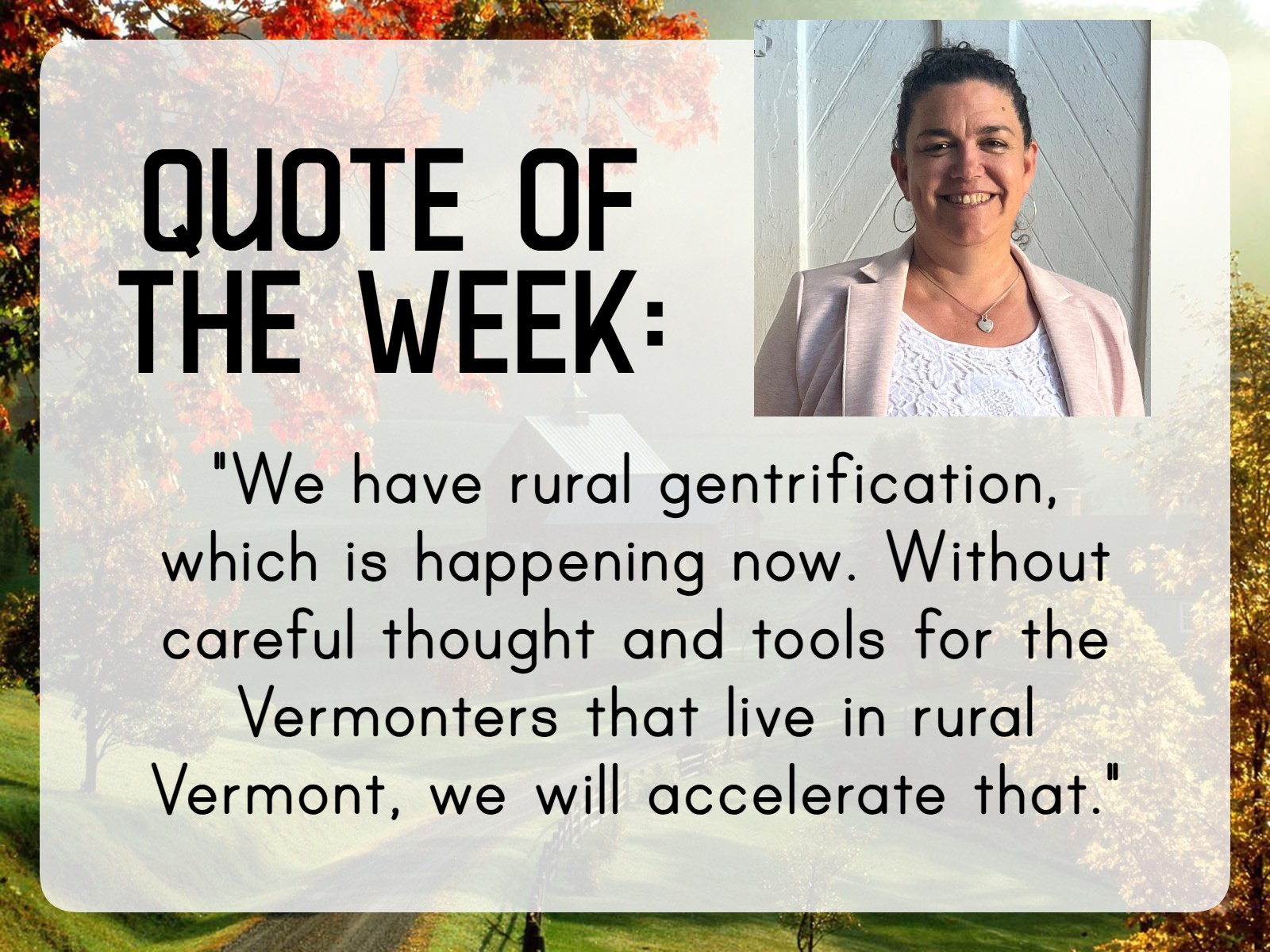
Quote of the Week:"We have rural gentrification, which is happening now. Without careful thought and tools for the Vermonters that live in rural Vermont, we will accelerate that." In testimony to the Senate Natural Resources Committee on Act 181 (the Act 250 reform legislation) |
|

| Rep. Laura Sibilia |
| State Rep. - Windham-2 |
Reform, Really?
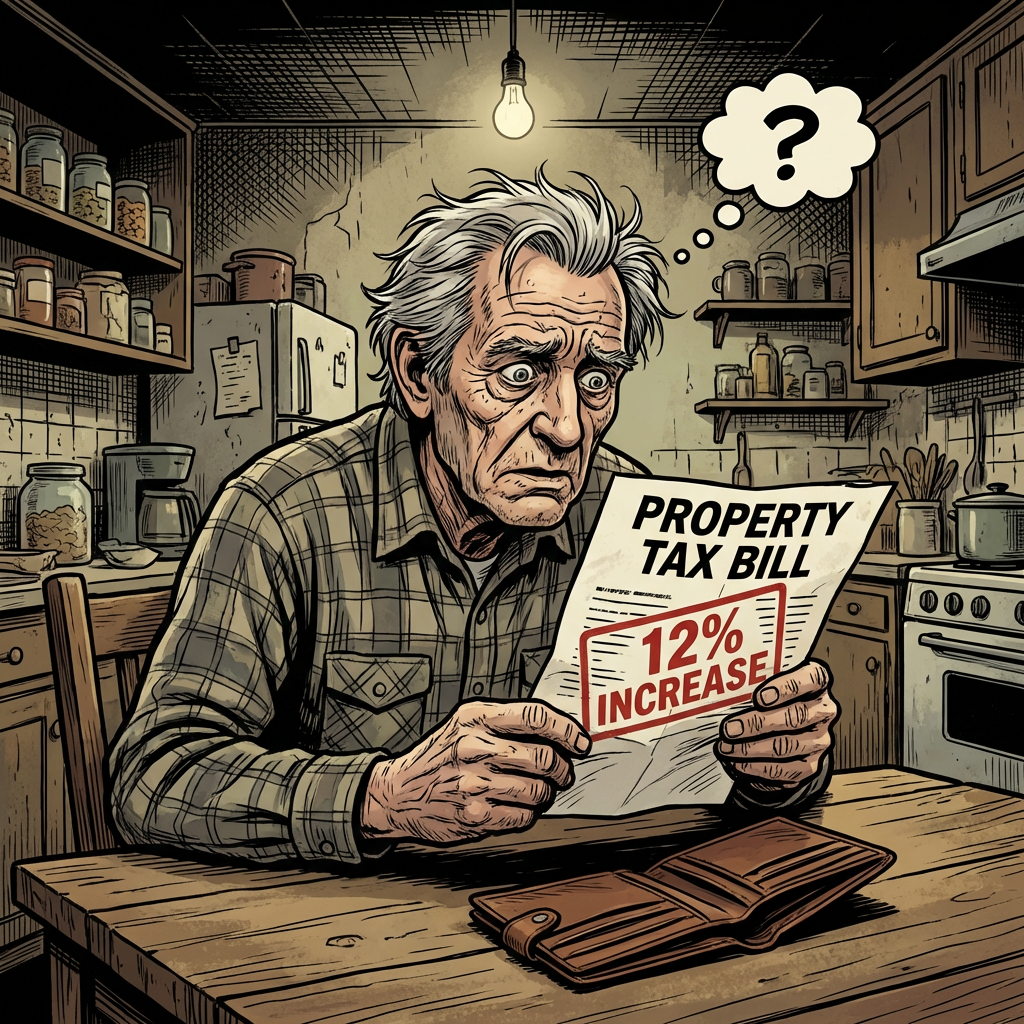
Former Tax Commissioner and CFV Co-Founder, Tom Pelham, highlights how seniors are getting squeezed by rising education costs. Initial projections anticipate doubled digit property tax increases AGAIN this year, while social security payments are only expected to increase 2.8%.
NEW: School Spending Cap (S.220)
S.220, seeks to curb the growth of property taxes by placing temporary limits on school district budget increases. The catch? The limits might be so high that they don't actually constrain spending growth...

UPDATED: Deep Fakes in Elections (S.23)
The bill aims to regulate the use of synthetic media (deepfakes) in elections by requiring clear labeling of realistic, deceptive AI-generated content in the 90 days before an election. The bill has already passed the House and is expected to be passed by the Senate next week on its way to the Governor's desk.
| To continue reading, please sign up for our legislative updates (it's free!). |