News

January 24, 2026 Legislative Update

This week in Montpelier, education governance reform took center stage, with Act 73 discussions evolving from high-level overviews last week to concrete proposals on district consolidation, shared services, and regional structures. This signals a shift toward mandatory regionalized service (or consolidation) to address equity and costs, though voluntary options and rural safeguards remain hotly debated. We weighed in early in the week with the letter to the House Education Committee, urging them to challenge assumptions similar to those that derailed Act 46 (the previous consolidation effort). We followed later in the week with testimony in the Senate Finance Committee about our report identifying $300 million in potential savings by consolidating Supervisory Unions (instead of districts) and taking advantage of shared services.

  • January 24, 2026 Legislative Update

    This week in Montpelier, education governance reform took center stage, with Act 73 discussions evolving from high-level overviews last week to concrete proposals on district consolidation, shared services, and regional structures. This signals a shift toward mandatory regionalized service (or consolidation) to address equity and costs, though voluntary options and rural safeguards remain hotly debated. We weighed in early in the week with the letter to the House Education Committee, urging them to challenge assumptions similar to those that derailed Act 46 (the previous consolidation effort). We followed later in the week with testimony in the Senate Finance Committee about our report identifying $300 million in potential savings by consolidating Supervisory Unions (instead of districts) and taking advantage of shared services.

  • January Newsletter: Maps Have Never Been So Popular

    The legislative session is off to a fast-paced start. Maps seem to be a key theme: from the Governor's threat to veto the state budget unless legislators move forward with his mega-district school consolidation plan to the statewide zoning plan set to replace the Act 250 framework all come down to drawing lines on a map. We have been keeping up with all of it in our legislative updates. If you haven't subscribed already, you should!

  • LETTER: Bigger Must be Better, Right?

    Dear Members of the House Education Committee, 

    I have watched your deliberations regarding Act 73 with interest over the first weeks of the legislative session. The conversations you are having today are startlingly similar to the Act 46 conversations from over a decade ago. Local control versus the need for scale and efficiency. Small schools versus equity and achievement. Etc. These conversations are framed as binary choices: one or the other, this or that. The problem is, the data do not support binary framing.  

  • The Vermont Prescription Drug Discount Card Program (Act 132 / H.577) - Overview & Analysis

    Act 132 creates a statewide Vermont Prescription Drug Discount Card Program, administered by the State Treasurer, to pool Vermont’s prescription drug purchasing power with other states, territories, and certain non-governmental organizations. The goal is to negotiate lower prices on medications for all Vermonters. The bill sets up the legal authority for joining multi-state purchasing/discount arrangements, establishes how program funds would be handled, preserves start-up funding and reporting requirements, and now also adds provisions intended to ensure that certain amounts paid using the discount card or similar assistance can count toward insured Vermonters’ deductibles and out-of-pocket obligations, subject to specified limits.

  • January 17, 2026 Legislative Update

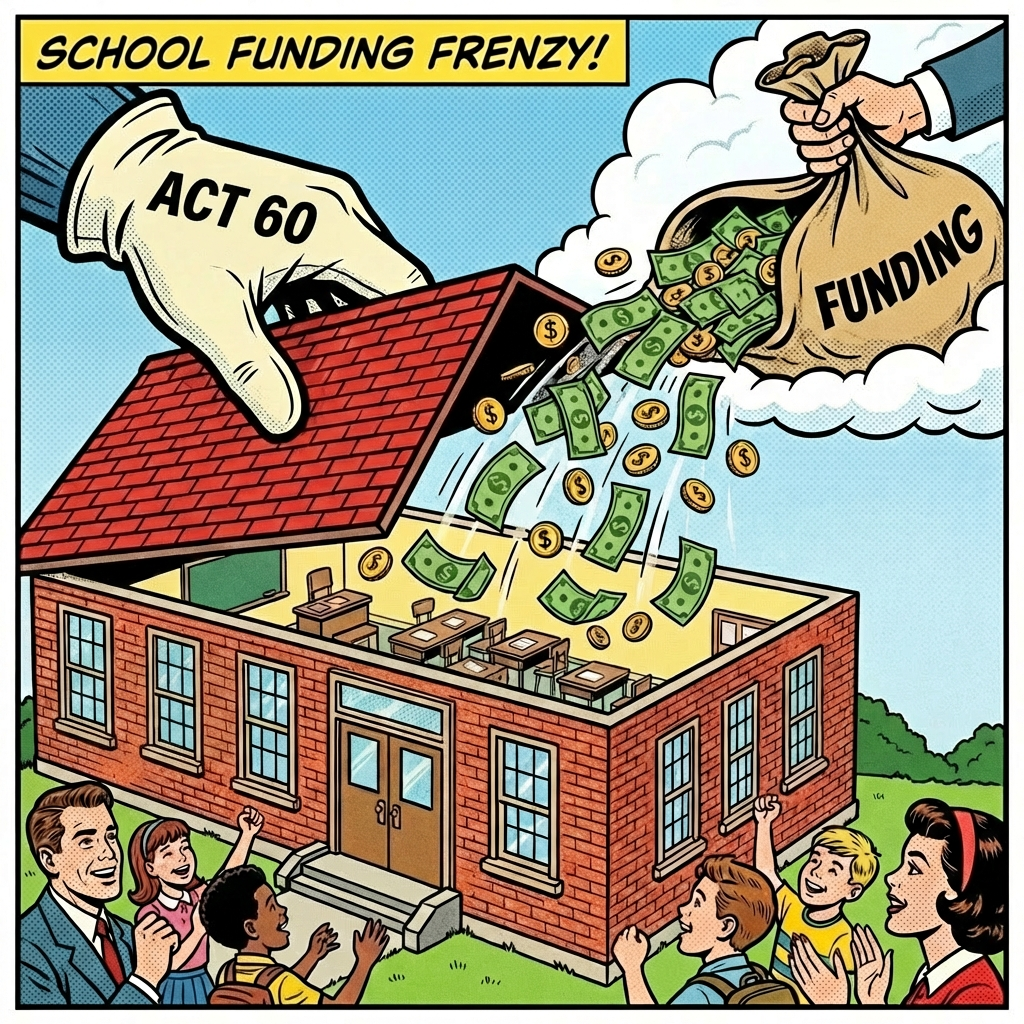
    This week lawmakers delved deeply into education funding and reform, reflecting ongoing efforts to build a more equitable and sustainable system amid demographic challenges and a persistent spending crisis.

  • Legislative Operations and Government Accountability (H.67) - Overview & Analysis

    H.67 creates a Pilot Government Accountability Project, to be conducted by the Joint Fiscal Committee, to examine governmental practices, make recommendations on improving those practices, and develop effective tools for evaluating government accountability.

  • It's time to move past three tired excuses about health care.

    Long-Held Beliefs About Healthcare Costs Don’t Hold Up 

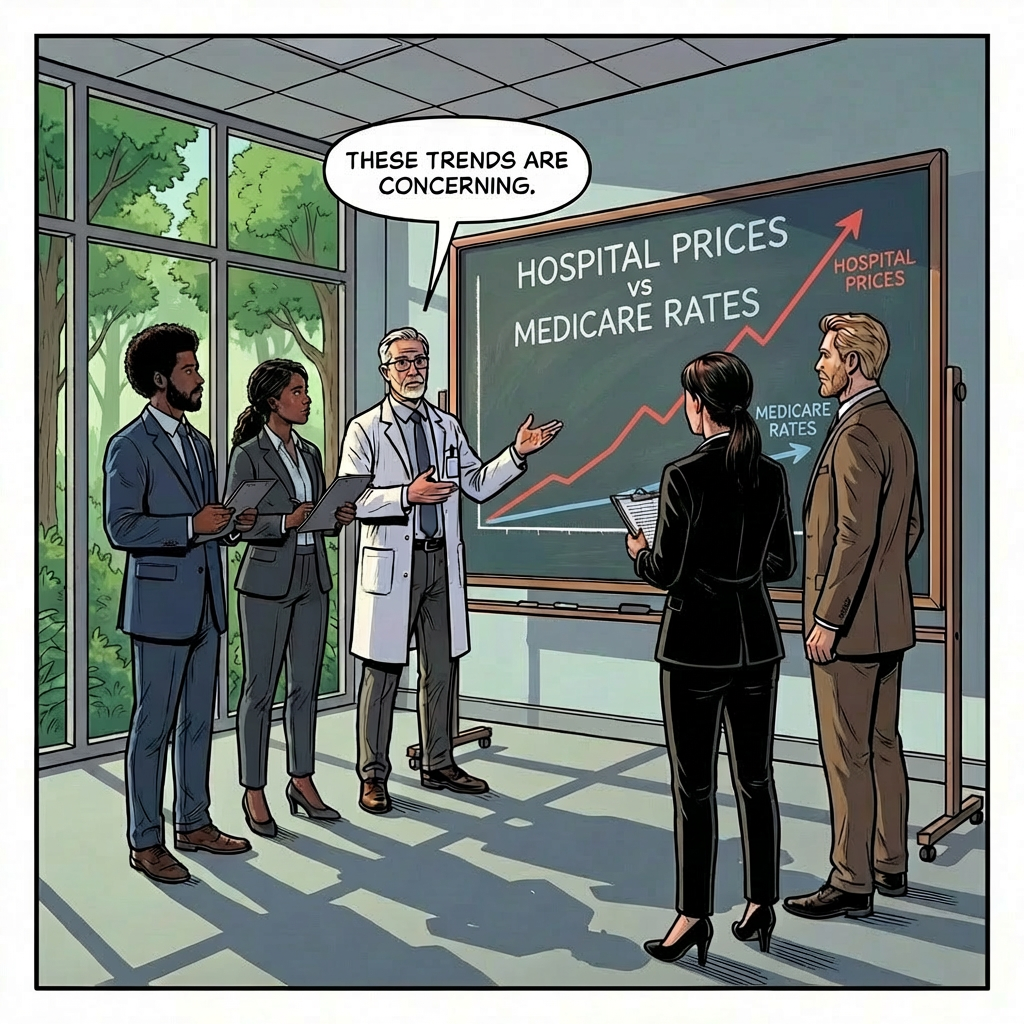
    As Stat readers know, Vermont has the highest commercial insurance rates in the nation. We can credit a prolonged period of poor oversight, lax accountability, price gouging, and asset hoarding by some hospitals for much of this crisis. 

    Adding to that, the state’s largest insurer, BCBSVT failed to negotiate aggressively with the UVMHN over prices. According to BCBS-VT, UVMHN had taken the position that if their rate demands were not met, they would stop seeing BCBSVT patients. 

    All in all, leaders and regulators failed to focus on costs and Vermonters are left paying the bill. 

  • January 10, 2026 Legislative Update

    Here it is... the first legislative update of the year!

    Lawmakers dusted off major 2025 reforms, such as last year’s landmark economic and workforce bill, S.122, which continues to steer targeted grants and training dollars to small businesses and high-demand fields, positioning Vermont to compete for workers and employers in a tight regional market. Legislators also began early discussions around how the new, long‑term CHIP infrastructure and housing finance program can be deployed on the ground. The program has the potential to channel up to $200 million per year into local infrastructure that supports new housing and grows the tax base.

  • December Newsletter: This Year, Our Work Took a Sharper Edge in Three Key Areas

    We leaned into our core strengths in 2025: providing clear, data-driven, nonpartisan analysis at a time when Vermonters are hungry for practical solutions. Our mission remains the same, to reconnect middle-class Vermonters to their government and champion policies that support family-sustaining jobs, environmental stewardship, and social responsibility. But this year, our work took a sharper edge in three key areas: transforming education, defending ethics and government accountability, and confronting Vermont’s long-term economic and demographic challenges.

  • Letter to Legislators: Education Reform & School Consolidation

    Dear Members of the Vermont General Assembly,

    We urge you to prioritize and refine the work of the Act 73 Task Force. Their start towards evidence-based education reform is the right direction for Vermont. The shift toward shared services and away from top down, state mandated mega districts is clearly the most effective plan to date, but it does not yet go far enough to meet the scale and urgency of our affordability crisis.

    We share the strong public opposition to forced mergers and small school closures that the Task Force heard. The data does not support this type of consolidation and there is considerable risk of losing time, energy, and political capital implementing the wrong fix for our education challenges.

    We also agree that learning happens in classrooms, not in the 52 central offices that exist today. To maximize cost-savings and minimize student disruptions, we need to look there.