News

  • April 25, 2026 Legislative Update

    After initially looking like it would be a tame week in the Legislature, it certainly didn't turn out that way... A real lamb to lion situation.

    This week the Legislature turned its attention to two questions that will shape Vermont's fiscal future for years to come: who pays, and how much? House Ways & Means spent the better part of three days dissecting proposals to restructure Vermont's income tax brackets and create a new investment income surtax, while simultaneously wrestling with what to do with the revenue: cut middle-class taxes or stand up a state-run health care premium assistance program to replace expired federal subsidies. Meanwhile, a sobering demographic briefing from the Joint Fiscal Office reminded the Committee that the population trends underlying all of these revenue assumptions are heading in the wrong direction.

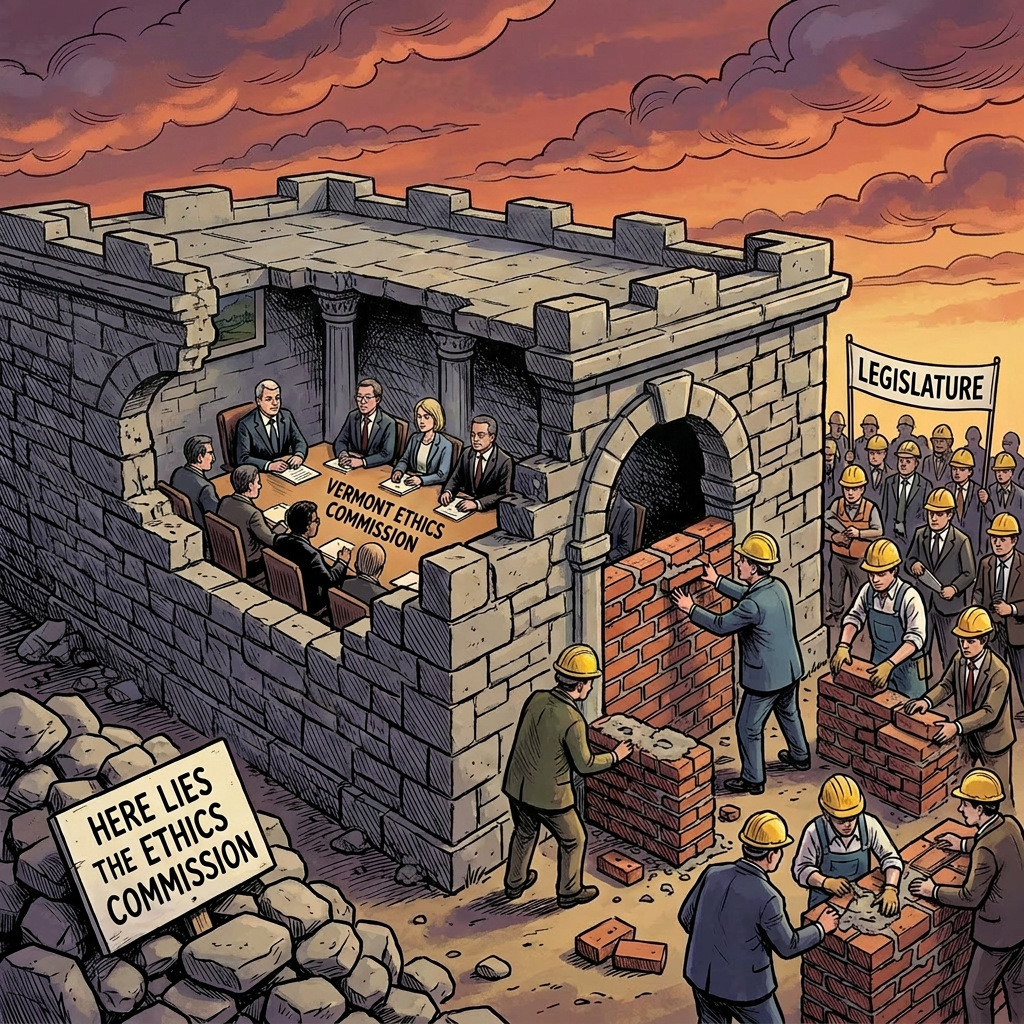
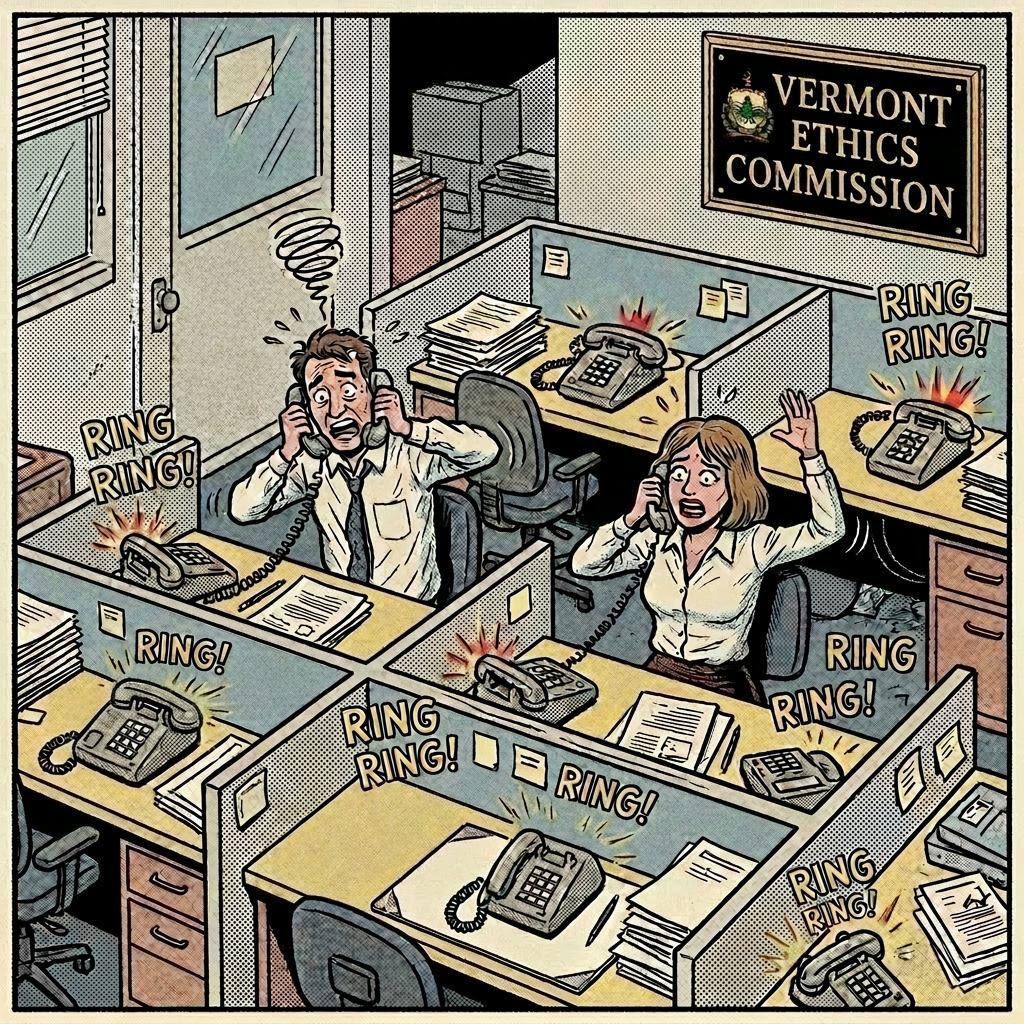
    Also this week... a key House Committee endorsed repealing significant sections of Act 181, the Senate put forward a significantly different approach to this year's property tax bill, and the Ethics Commission's budget request gets gutted right as they are being asked to do more.

    Let's dig in.

  • By-Right Housing and Other Policies (S.328) - Overview & Analysis

    The bill, S.328, adjusts several state programs and local planning requirements to better support housing development, align services and housing for Vermonters with developmental disabilities, and refine how communities plan for growth and infrastructure, with key topics including municipal planning and zoning, housing finance and credit facilities, common interest communities, service-supported housing, downtown and village center designations, and targeted housing needs assessments.

  • April 18, 2026 Legislative Update

    This week the Legislature turned its attention to the nuts and bolts... the practical, on-the-ground realities of implementing the big-ticket reforms that have been debated all session. Senate Education heard directly from superintendents who have actually led district mergers about what it takes (and what it costs) to make consolidation work. Senate Health & Welfare moved a prescription drug discount card closer to reality. And Senate Government Operations wrestled with how to modernize lobbying transparency without chilling free speech.

    Of course the big happening this week was the passage of the House's education reform package, which the Governor promptly promised to veto. Why? Not because it doesn't save money (which it may or may not do) but because it doesn't force school district consolidation and the removal of local school boards.

    Buckle up, here we go...

  • ACTION ALERT: House Voting Today on Education Reform Package

    The House is set to vote on the next phase of Vermont's education reform effort today. The bill they are putting forward is a grab bag of policies that House members managed to agree on.

  • 2026 Health Care Reforms (H.585) - Overview & Analysis

    The bill, H.585, makes a set of health insurance reforms intended to strengthen oversight of nonprofit health insurers, increase transparency in parts of the health coverage market, and change certain payment and coverage rules, affecting insurer governance, executive compensation, association health plans, claims review, site-neutral reimbursement, prescription drug cost-sharing design, and health care sharing plan reporting.

  • April 11, 2026 Legislative Update

    This week the State Auditor's office delivered a sobering accountability check on Vermont's (former) flagship health care programs and the government accountability pilot moved to the Senate with fundamental questions about scope and institutional design still unresolved. Meanwhile, the climate policy infrastructure took a step forward with H.740's greenhouse gas registry advancing, though the familiar gap between policy ambition and funding commitment surfaced once again. The House's education reform bill also took another step closer to a floor vote.

    Let's walk through it.

  • Primary Care Payment Reform (Act 173 / S.197) - Overview & Analysis

    Act 173 reforms how primary care is paid for in Vermont while also laying the groundwork for a broader universal primary care framework, with major topics including Blueprint for Health payment reform, insurer participation and transparency, primary care spending targets, Blueprint funding, health care governance and oversight, care transitions, pharmaceutical coverage notice, and regional universal primary care.

  • LETTER: Other States Show That the Foundation Formula CAN Work for Small Districts

    Good Evening Chair Kornheiser and Members of the House Ways & Means Committee,

    There has been some discussion in committee this week about the impact on the foundation formula if districts are left at their current size. This has sparked concerns about viability for small districts, but I would content that the viability of the entire system in jeopardy.

  • April Newsletter: Well-Meaning Act 181 Poses Serious Risks for Rural Vermont

    Vermonters understand the value of balance. We want to protect our forests, fields, rivers, and wildlife. We also want our children and grandchildren to be able to afford a home, find a job, and build a life here. Good public policy should recognize both realities. That is why the debate over Act 181 matters.

    The law was intended to strike a grand bargain: encourage more housing and development in designated growth areas while tightening protections for ecologically sensitive parts of the state (conservation more or less). On paper, that sounds reasonable. Direct growth where infrastructure exists. Reduce sprawl. Protect natural resources. Streamline permitting where Vermont wants development to happen.

    But as often happens in government, what sounds straight forward in theory can become much messier in practice.

  • CESA's and 'Voluntary' Consolidation (Act 170 / H.955) - Overview & Analysis

    Act 170 advances the next phase of Vermont’s education system transformation by creating regional cooperative educational service areas (CESAs), requiring all districts to participate in structured studies of possible union school district formation, delaying major parts of the State’s broader education finance transition, and commissioning further work on prekindergarten funding, education governance, shared services, district reorganization, education finance, and early childhood access.