News
-

ACTION ALERT: House Voting Today on Education Reform Package
The House is set to vote on the next phase of Vermont's education reform effort today. The bill they are putting forward is a grab bag of policies that House members managed to agree on.

Written by Ben Kinsley
April 16, 2026 -

2026 Health Care Reforms (H.585) - Overview & Analysis
The bill, H.585, makes a set of health insurance reforms intended to strengthen oversight of nonprofit health insurers, increase transparency in parts of the health coverage market, and change certain payment and coverage rules, affecting insurer governance, executive compensation, association health plans, claims review, site-neutral reimbursement, prescription drug cost-sharing design, and health care sharing plan reporting.

Written by CFV
April 15, 2026 -
April 11, 2026 Legislative Update
This week the State Auditor's office delivered a sobering accountability check on Vermont's (former) flagship health care programs and the government accountability pilot moved to the Senate with fundamental questions about scope and institutional design still unresolved. Meanwhile, the climate policy infrastructure took a step forward with H.740's greenhouse gas registry advancing, though the familiar gap between policy ambition and funding commitment surfaced once again. The House's education reform bill also took another step closer to a floor vote.
Let's walk through it.
Written by Ben Kinsley
April 11, 2026 -
Primary Care Payment Reform (Act 173 / S.197) - Overview & Analysis
Act 173 reforms how primary care is paid for in Vermont while also laying the groundwork for a broader universal primary care framework, with major topics including Blueprint for Health payment reform, insurer participation and transparency, primary care spending targets, Blueprint funding, health care governance and oversight, care transitions, pharmaceutical coverage notice, and regional universal primary care.
Written by CFV
April 10, 2026 -

LETTER: Other States Show That the Foundation Formula CAN Work for Small Districts
Good Evening Chair Kornheiser and Members of the House Ways & Means Committee,
There has been some discussion in committee this week about the impact on the foundation formula if districts are left at their current size. This has sparked concerns about viability for small districts, but I would content that the viability of the entire system in jeopardy.
Written by Ben Kinsley
April 09, 2026 -
April Newsletter: Well-Meaning Act 181 Poses Serious Risks for Rural Vermont
Vermonters understand the value of balance. We want to protect our forests, fields, rivers, and wildlife. We also want our children and grandchildren to be able to afford a home, find a job, and build a life here. Good public policy should recognize both realities. That is why the debate over Act 181 matters.
The law was intended to strike a grand bargain: encourage more housing and development in designated growth areas while tightening protections for ecologically sensitive parts of the state (conservation more or less). On paper, that sounds reasonable. Direct growth where infrastructure exists. Reduce sprawl. Protect natural resources. Streamline permitting where Vermont wants development to happen.
But as often happens in government, what sounds straight forward in theory can become much messier in practice.

Written by Pat Mcdonald
April 09, 2026 -
CESA's and 'Voluntary' Consolidation (Act 170 / H.955) - Overview & Analysis
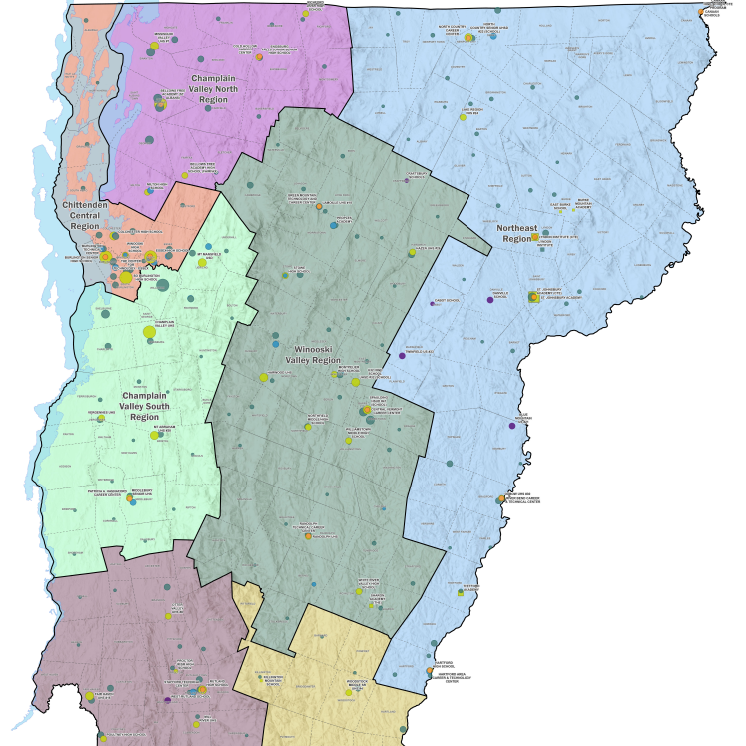
Act 170 advances the next phase of Vermont’s education system transformation by creating regional cooperative educational service areas (CESAs), requiring all districts to participate in structured studies of possible union school district formation, delaying major parts of the State’s broader education finance transition, and commissioning further work on prekindergarten funding, education governance, shared services, district reorganization, education finance, and early childhood access.
Written by CFV
April 08, 2026 -
April 4, 2026 Legislative Update
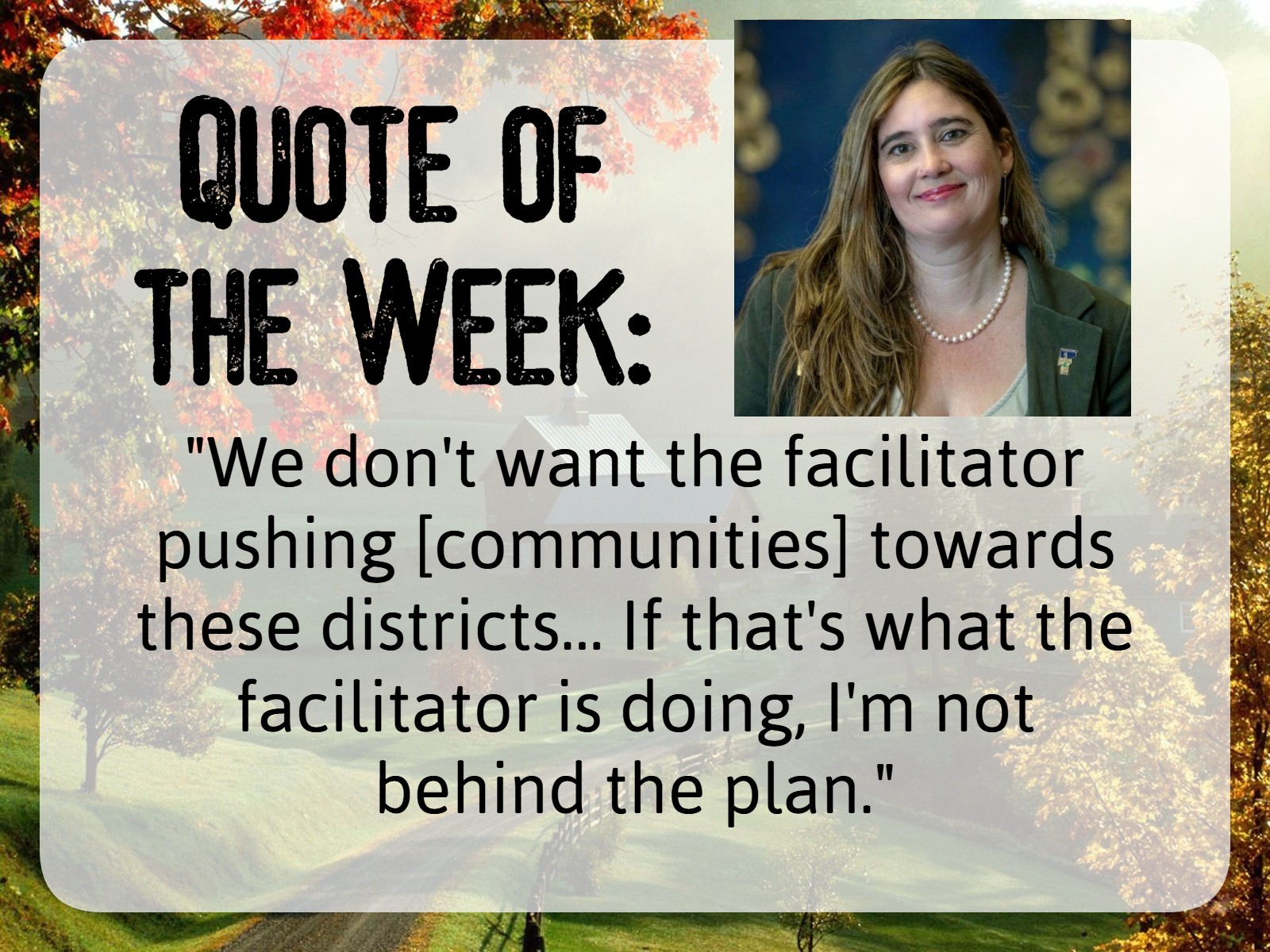
The House Education Committee finally advanced their education reform bill after months of discussion. Of course they couldn't resist drawing maps, even if they are "only advisory" in nature. While the bill does not force arranged marriages (school district consolidation), per se, it does require that you attend the dance (merger study committees) and it chooses who your dance partners will be (which other districts you have to discuss mergers with).
In theory you could choose to dance with someone else or not at all, but that will probably be frowned upon. Okay, enough with that analogy... let's talk about what happened this week...
Written by Ben Kinsley
April 05, 2026 -
Repealing Parts of Act 181's Rural Land Use Provisions (Act 152 / S.325) - Overview & Analysis
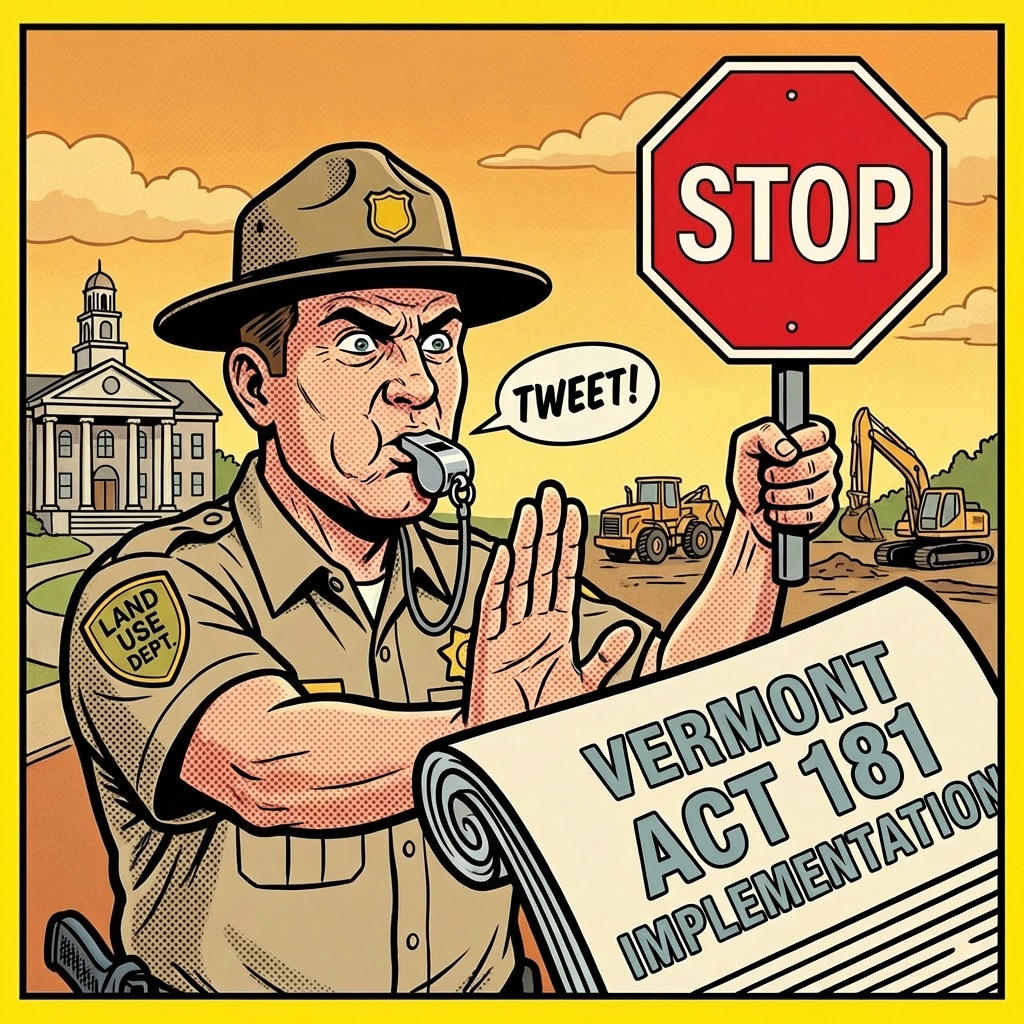
Act 152 makes technical, transitional, and policy changes to Vermont’s land use and regional planning laws to recalibrate implementation of Act 181. In the House proposal of amendment, the bill repeals Act 181’s road-jurisdiction and Tier 3 jurisdiction provisions, delays certain related implementation dates, extends several housing-related exemptions through 2028, and clarifies how Tier 1A and Tier 1B review will work under the new land use planning framework. It also makes changes to regional planning procedures, creates new reporting and oversight requirements, and adds a public engagement process on working lands and natural resource protections.
Written by CFV
April 02, 2026 -
March 28, 2026 Legislative Update
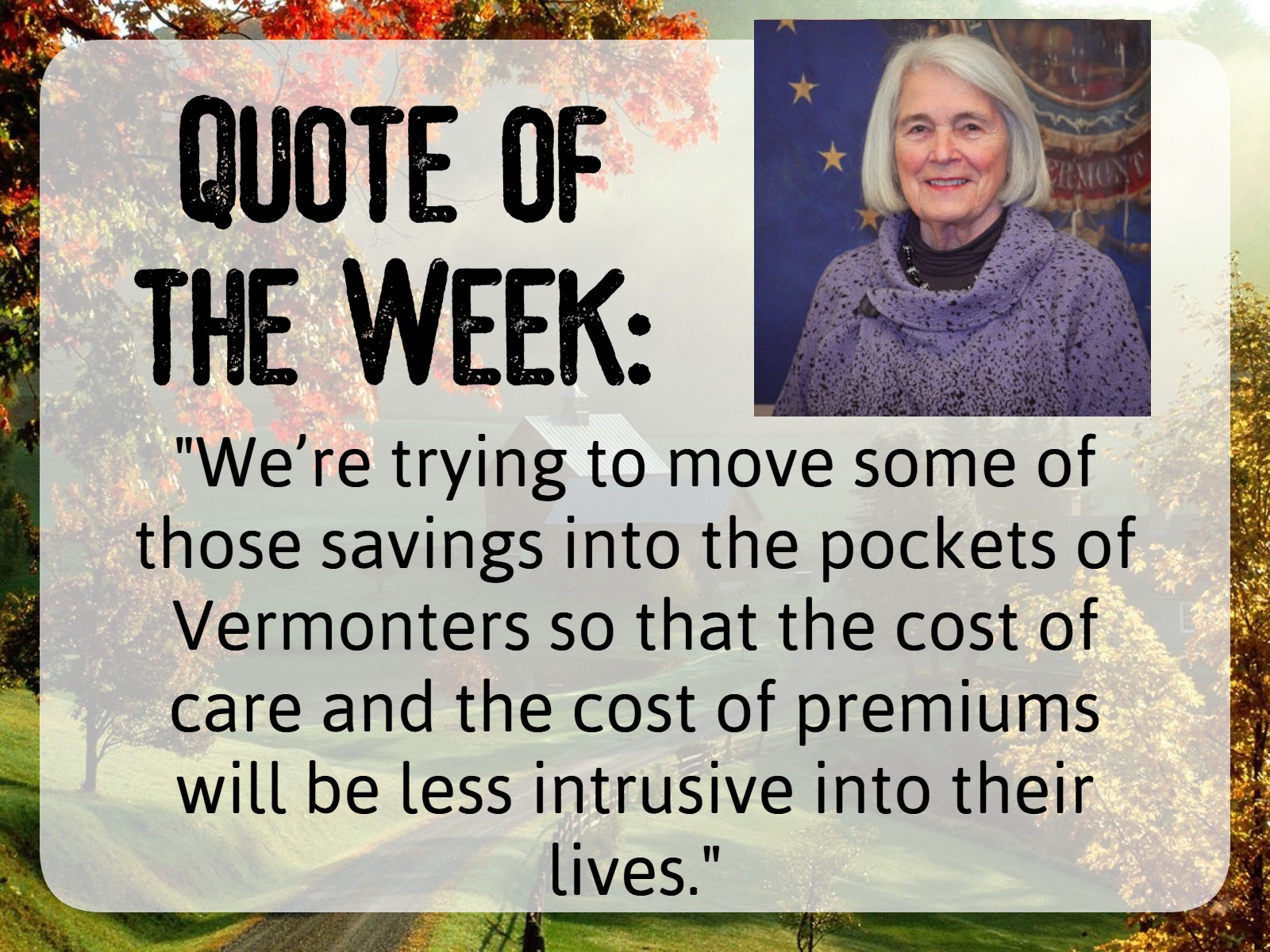
A bottleneck of bills hit the floor in both chambers this week. The House and Senate floors were busy passing major legislation on homelessness, health care, housing, and the FY27 budget. Meanwhile, the Agency of Education delivered pointed critique's of both chambers' approaches to education reform (color me shocked) and Ways and Means began inventorying the enormous technical to-do list that sits between Act 73 and anything resembling a workable foundation formula.
Let's walk through it.
Written by Ben Kinsley
March 28, 2026