School Spending Cap (S.220) - Overview & Analysis
S.220, seeks to curb the growth of property taxes by placing temporary limits on school district budget increases.
There is pending a disturbing, possibly cruel, conflict of economic forces facing Vermonters.
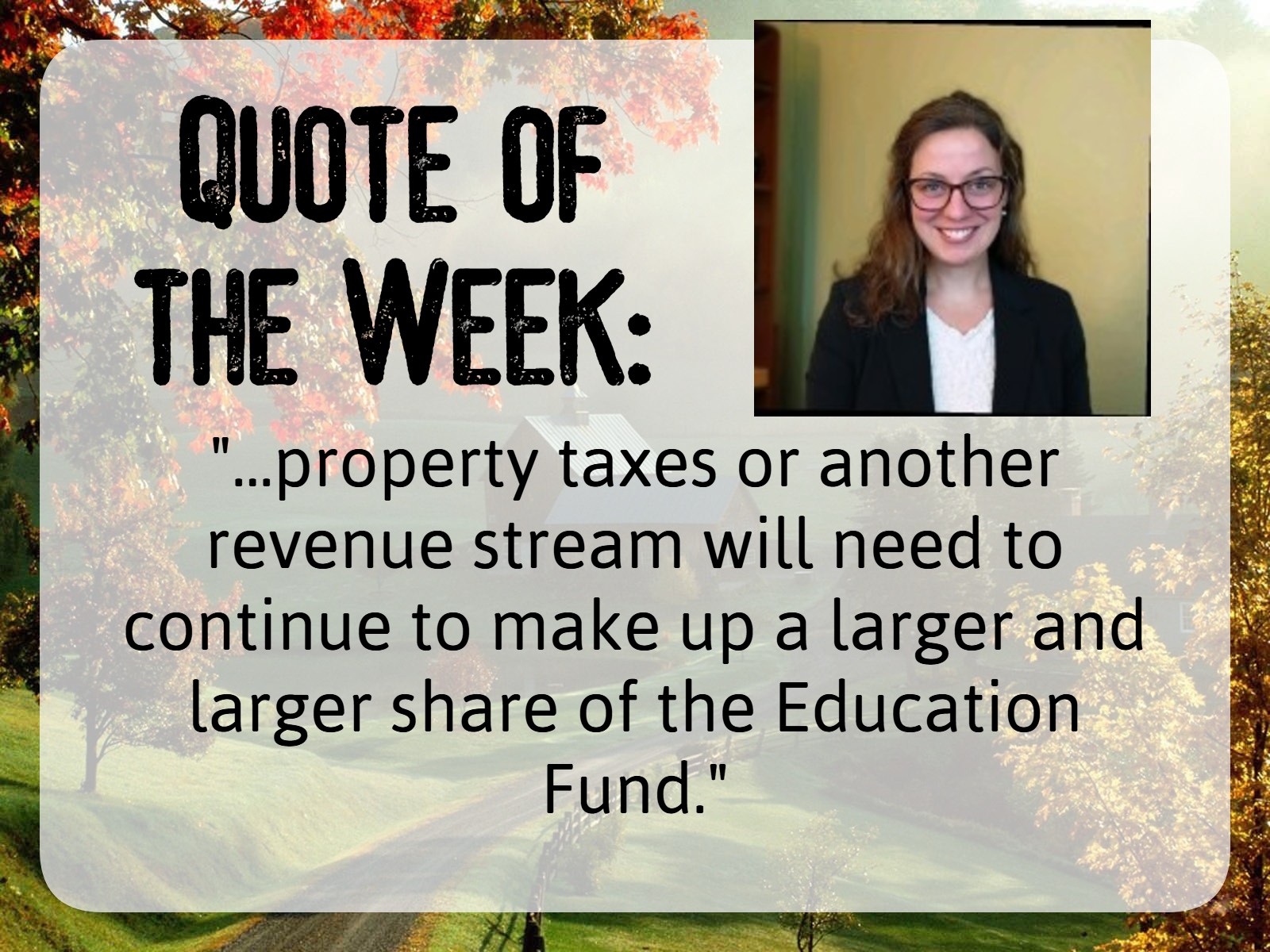
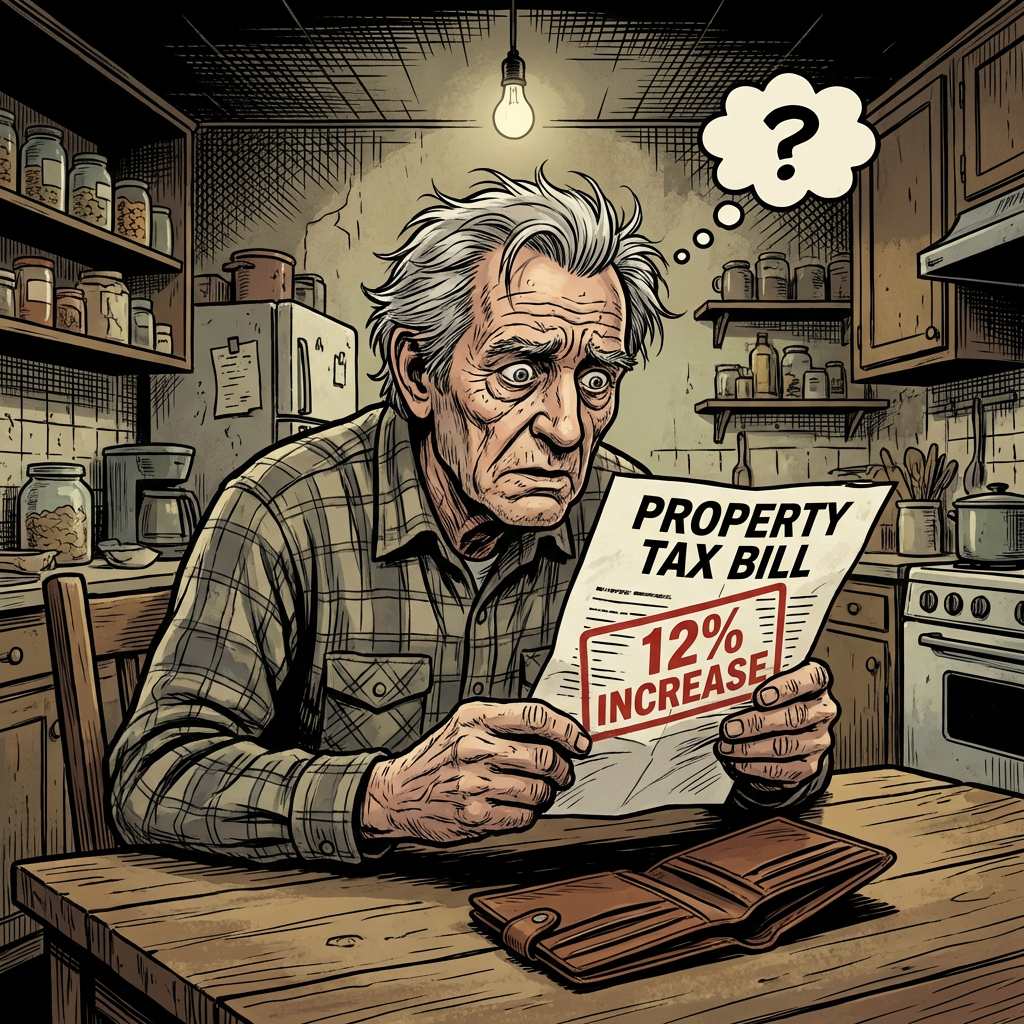
According to the Social Security Administration, there is an established population of 133,773[1] Vermonters over 65, or nearly 21% of the State’s population, who rely on Social Security.
This is a population that is clearly not positioned to absorb a big property tax increase in 2026. This past November, Social Security recipients were given notice that social security benefits will increase by a meager 2.8% in 2026. [2]
It was a busy week here at Campaign for Vermont. We testified in two different legislative committees this week and interviewed on a popular NEK TV show. Our hard work is paying off, we are getting positive indicators from legislators on multiple fronts!
This week, Vermont's legislative focus was largely on housing, education, and health care. The Senate Economic Development Committee advanced a task force proposal to inventory business resources and tackle gaps in access to capital, evolving from last week's broader housing finance pilot programs toward a comprehensive and inclusive economic ecosystem. The task force would include stakeholders like the Vermont Futures Project, the Vermont Small Business Development Center, and Professionals of Color, signaling an emerging pattern of nonpartisan collaboration to address rural-urban economic divides.
H.775 is an innovative housing bill designed to stimulate housing development in Vermont through financial tools, pilot programs, and planning reforms. The legislation authorizes municipalities to issue revenue bonds backed by special assessments, expands the State Treasurer's credit facility, broadens VEDA financing authority for certain multiunit housing developments, adds new municipal housing-planning requirements, codifies the Rental Housing Revolving Loan Program, and (in the Senate version) adds a new Service-Supported Housing Advisory Council focused on housing for individuals with developmental disabilities.
This week in Montpelier, education governance reform took center stage, with Act 73 discussions evolving from high-level overviews last week to concrete proposals on district consolidation, shared services, and regional structures. This signals a shift toward mandatory regionalized service (or consolidation) to address equity and costs, though voluntary options and rural safeguards remain hotly debated. We weighed in early in the week with the letter to the House Education Committee, urging them to challenge assumptions similar to those that derailed Act 46 (the previous consolidation effort). We followed later in the week with testimony in the Senate Finance Committee about our report identifying $300 million in potential savings by consolidating Supervisory Unions (instead of districts) and taking advantage of shared services.
The legislative session is off to a fast-paced start. Maps seem to be a key theme: from the Governor's threat to veto the state budget unless legislators move forward with his mega-district school consolidation plan to the statewide zoning plan set to replace the Act 250 framework all come down to drawing lines on a map. We have been keeping up with all of it in our legislative updates. If you haven't subscribed already, you should!
Dear Members of the House Education Committee,
I have watched your deliberations regarding Act 73 with interest over the first weeks of the legislative session. The conversations you are having today are startlingly similar to the Act 46 conversations from over a decade ago. Local control versus the need for scale and efficiency. Small schools versus equity and achievement. Etc. These conversations are framed as binary choices: one or the other, this or that. The problem is, the data do not support binary framing.
Act 132 creates a statewide Vermont Prescription Drug Discount Card Program, administered by the State Treasurer, to pool Vermont’s prescription drug purchasing power with other states, territories, and certain non-governmental organizations. The goal is to negotiate lower prices on medications for all Vermonters. The bill sets up the legal authority for joining multi-state purchasing/discount arrangements, establishes how program funds would be handled, preserves start-up funding and reporting requirements, and now also adds provisions intended to ensure that certain amounts paid using the discount card or similar assistance can count toward insured Vermonters’ deductibles and out-of-pocket obligations, subject to specified limits.
This week lawmakers delved deeply into education funding and reform, reflecting ongoing efforts to build a more equitable and sustainable system amid demographic challenges and a persistent spending crisis.